
Lawns That Stay Ahead of Invasive Growth
Weed Control in Dade City for properties battling recurring invasive plant growth in Florida's extended growing season
Florida Quality Landscape manages weed control in Dade City through treatment plans designed around property conditions and the timing of seasonal growth cycles. Unwanted vegetation competes directly with desirable turf and ornamental plants for water, nutrients, and sunlight, weakening the overall health of your landscape. Florida's year-round warmth and humidity create conditions where weed pressure never fully stops, requiring ongoing management rather than one-time intervention.
Targeted weed control addresses both broadleaf and grassy weed types that establish in turf areas and landscape beds, with treatment selection based on what's actively growing and the stage of the plant's life cycle. Applications are timed to intercept weeds during vulnerable growth phases, when root systems are developing or seed heads are forming, to reduce the population before it spreads further.
Schedule a property assessment to identify current weed pressure and establish a treatment timeline.
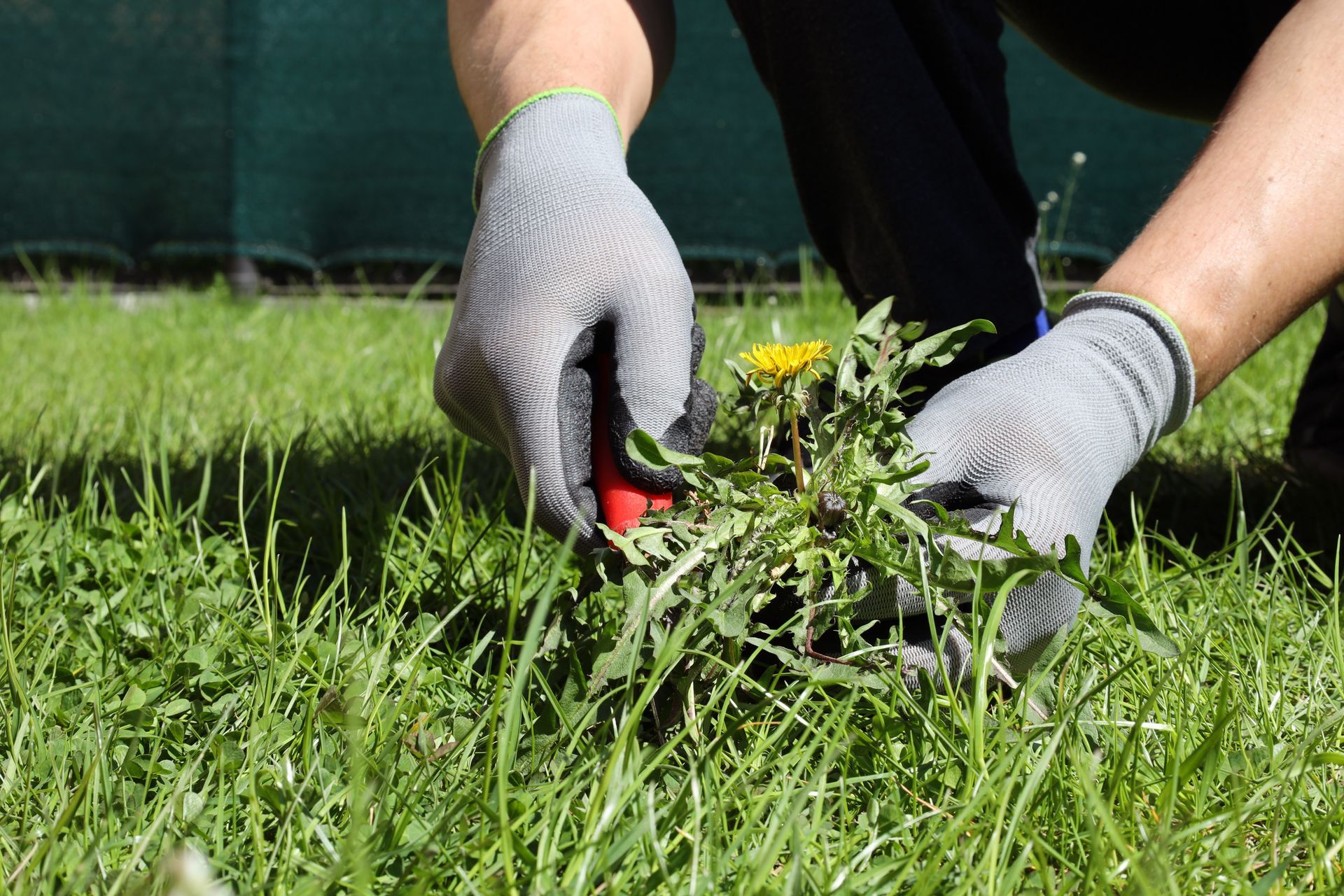
What Proper Weed Management Requires
Effective weed control begins with identifying which weed species are present, since treatment methods vary depending on whether you're managing crabgrass, dollarweed, spurge, or sedge varieties that thrive in different moisture and soil conditions. Treatments are applied selectively to minimize impact on surrounding turf and ornamental plantings while targeting the root systems of invasive growth.
After treatment cycles are completed, you'll notice cleaner bed lines, thicker turf coverage in areas previously overtaken by weeds, and reduced need for hand-pulling around trees and shrubs. Landscape beds maintain their mulch appearance without dandelion clusters or vining weeds creeping through, and turf areas show more consistent color and density as desirable grass varieties reclaim space.
Weed management is most effective when coordinated with fertilization and irrigation adjustments, since healthy turf naturally outcompetes many weed types by filling in bare spots where seeds would otherwise germinate. Treatment frequency depends on the severity of existing infestations and whether you're managing a property that's been neglected or maintaining one with an established control program.
What Property Owners Usually Ask
Homeowners and property managers in Dade City often have questions about how weed control fits into their overall landscape maintenance plan and what results to expect given Florida's growing conditions.
How often does weed control need to be applied in Florida?
Treatment intervals typically range from six to eight weeks during peak growing seasons, with adjustments based on rainfall, temperature, and the types of weeds being managed, since Florida's climate allows weed germination nearly year-round.
What happens if it rains after treatment is applied?
Most modern herbicide formulations are rainfast within a few hours of application, meaning they bond to leaf surfaces and root zones quickly enough that typical afternoon showers won't wash away effectiveness.
Why do some weeds return even after treatment?
Certain weed species like nutsedge and dollarweed have underground tubers or rhizomes that survive initial herbicide contact, requiring follow-up treatments timed to catch regrowth before those energy reserves rebuild.
Can weed control damage existing turf or landscape plants?
Selective herbicides are formulated to target specific weed types without harming established turfgrass varieties like St. Augustine or Bahia, though care is taken around ornamental beds where broadleaf plants may be sensitive to drift.
What should I do between professional treatments?
Maintaining proper mowing height and avoiding overwatering helps turf stay dense enough to shade out weed seedlings, reducing the number of new weeds that establish between service visits.
Florida Quality Landscape develops weed management schedules based on the specific challenges your property faces, from shaded areas prone to dollarweed to sunny zones where crabgrass thrives. Request a weed assessment to establish a control plan tailored to your landscape's conditions.